For generations, traditional math instruction has relied heavily on abstract repetition rows of worksheets, timed flashcards, and static multiplication tables. While these drills aim to build speed, they often isolate numbers from meaningful, real-world context, creating cognitive friction and leading to student disinterest. When math feels like a series of arbitrary rules to memorize rather than a practical tool to use, engagement plummets.
The Physical Dartboard as an Active Neural Playground
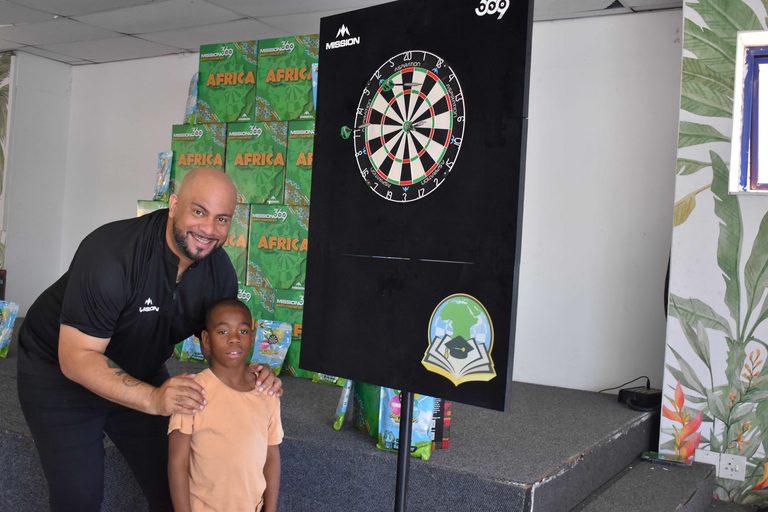
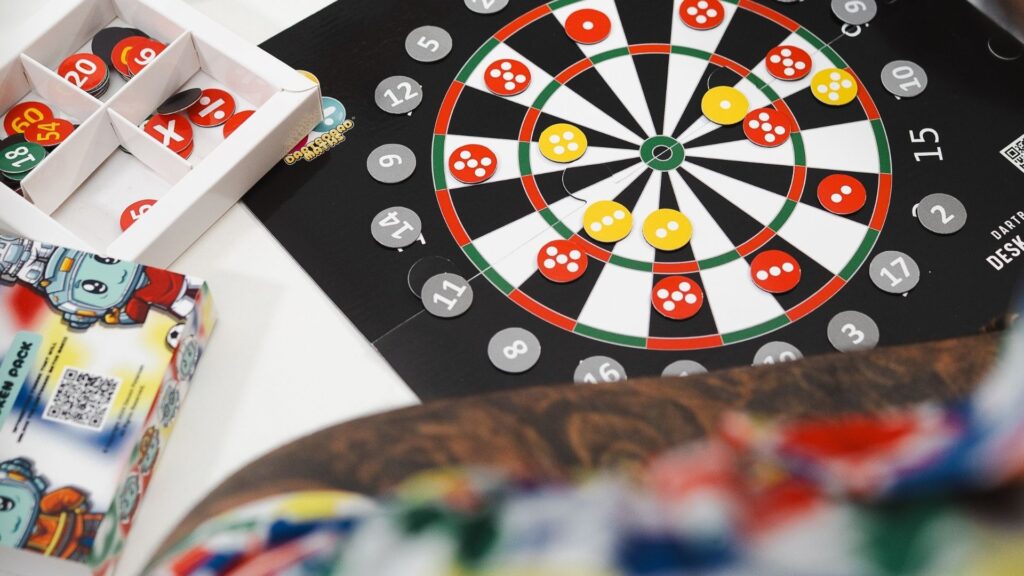
By mapping subtraction and multiplication directly onto a physical dartboard, numbers transform from passive symbols into dynamic components of game strategy.
Group Multiplying: Evaluating segment values on the fly, such as multiplying a target by a double or treble ring (e.g., 3 × 20 = 60 or 3 × 19 = 57).
Rapid Subtraction: Deducting score totals instantly from a running balance to navigate down toward zero.Because players must determine their next target before stepping up to throw, the calculation cannot wait.
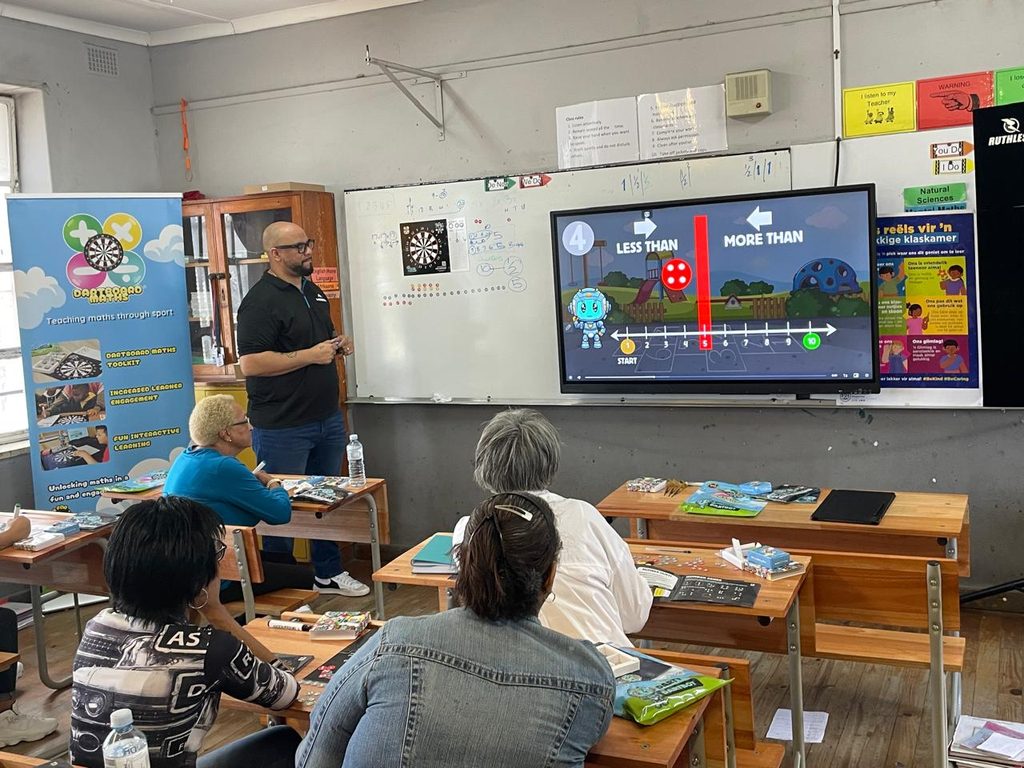
The game creates an immediate feedback loop where arithmetic directly dictates physical action.
Shifting from Conscious Effort to Subconscious Intuition
When students practice mental math on paper, their working memory bears a heavy cognitive load as they process each step manually.
On the dartboard, calculation becomes a secondary function serving a primary goal:
Optimizing the next throw.If a student aims for a treble 20 and accidentally hits a single 1, their mind doesn’t pause to re-examine an equation on paper. Instead, it instantly updates the running total and re-evaluates the necessary route to complete the leg.
Over time, students stop consciously calculating 501 – 60 = 441.
They begin to recognize numerical patterns and finish routes instinctively.This approach is supported by educational initiatives like Dartboard Maths scheme, parents believe incorporating darts into learning environments boosts mental numeracy more effectively than many traditional school sports.
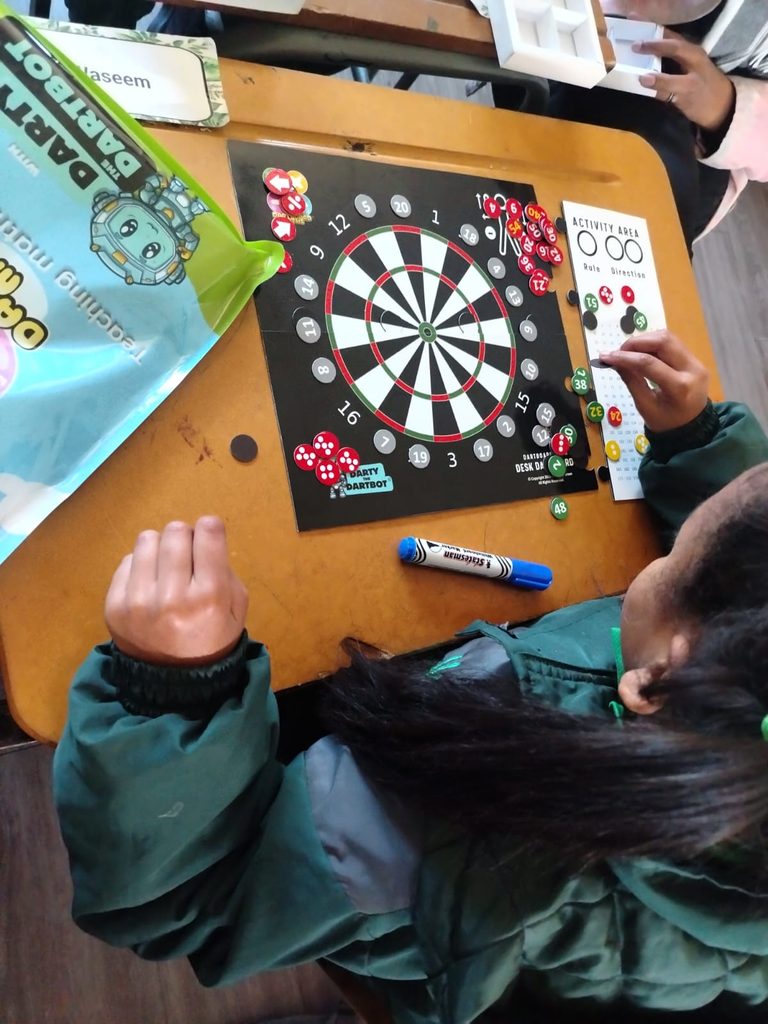
By removing the pressure of a traditional classroom test, dartboard math taps into gamified focus to build automaticity. This creates the cognitive ability to recall and process numbers without conscious strain.
Building Core Cognitive Skills Through Play
Grounding arithmetic in physical gameplay cultivates broader cognitive habits that extend far beyond basic counting:Dynamic Problem-Solving: Players constantly adapt to unexpected outcomes, learning to re-calculate finish combinations instantly when a dart strays off target.
Spatial Number Sense: Mapping values across concentric rings and numbered segments helps students visually chunk numbers into doubles, triples, and factors.
Reduced Math Anxiety: Placing calculations within a collaborative or competitive game framework lowers performance stress, allowing students to build confidence with numbers organically.
Turning Abstract Symbols into Second-Nature Habits
Ultimately, dartboard maths demonstrates that numerical fluency isn’t about memorizing static rules under a timer; it is about building flexible cognitive pathways through active engagement. By converting abstract subtraction and multiplication into immediate tactical choices, students transform intimidating arithmetic into a second-nature skill they rely on naturally.